

I was asked to contribute an essay for the latest issue of Archaeology Southwest Magazine, titled, “More than a Pet: Exploring the Canine Cultural Histories in North America”. I had a bit of fun with this one, and as always, I appreciate the opportunity to support Archaeology Southwest, the non-profit organization which publishes the magazine.
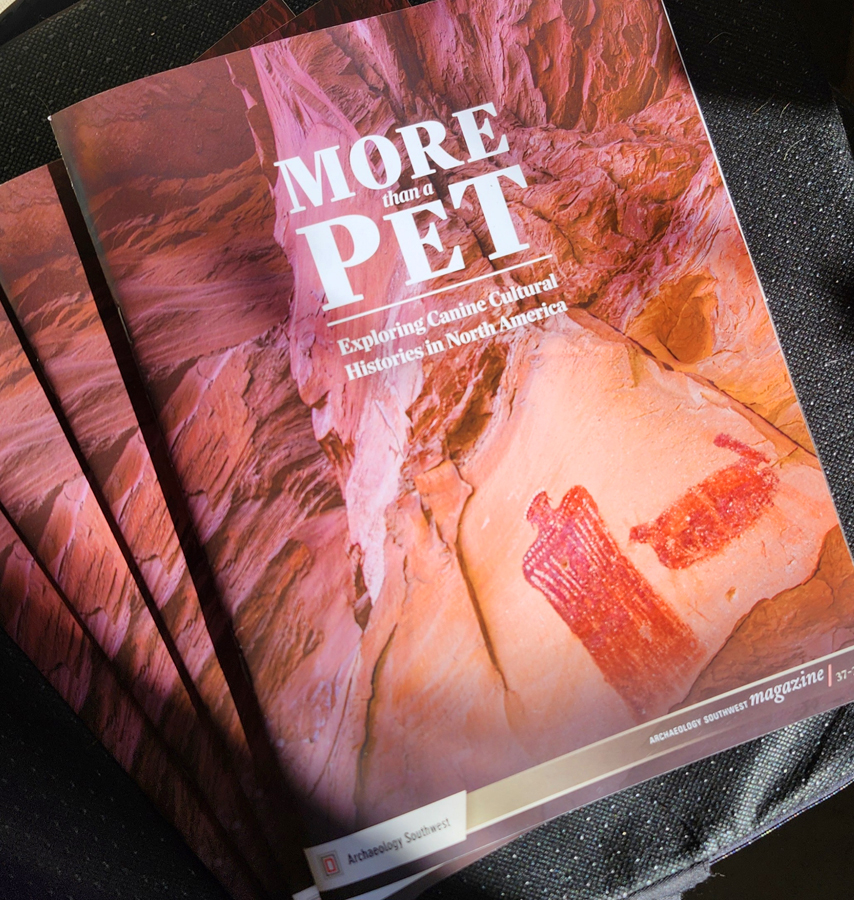
Guest Editor for the volume, R.E. Burillo, writes,
“According to English-language dictionaries, a pet is a domestic or tamed animal kept for companionship or pleasure. And dogs certainly check those boxes. But they are also hunting guides. Living blankets. Hard workers. Protectors. And friends.
This issue explores a handful of the countless ways our relationships with dogs of all sorts have manifested in the history of North America. From the Pacific Northwest coast to the eastern seaboard to the Great Plains and, of course, to the Southwest, our contributors consider dog and human interactions in the deep and recent history of the continent.”
You can purchase this volume and others, as well as learn more about Archaeology Southwest at -> Archaeology Southwest Magazine
Are you covered in dog hair? Consider yourself lucky!
Growing up on the Hopi rez, there was always a dog or two around. Sometimes we claimed them. Other times they claimed us (and maybe a few other “owners” from around the way). Black-and-white photographs of Hopi villages from the late 18th and early 19th centuries, often included a few scrawny-looking dogs in the background, as common as the donkeys and bushy-haired children which comprised part of the “village-life” scene.
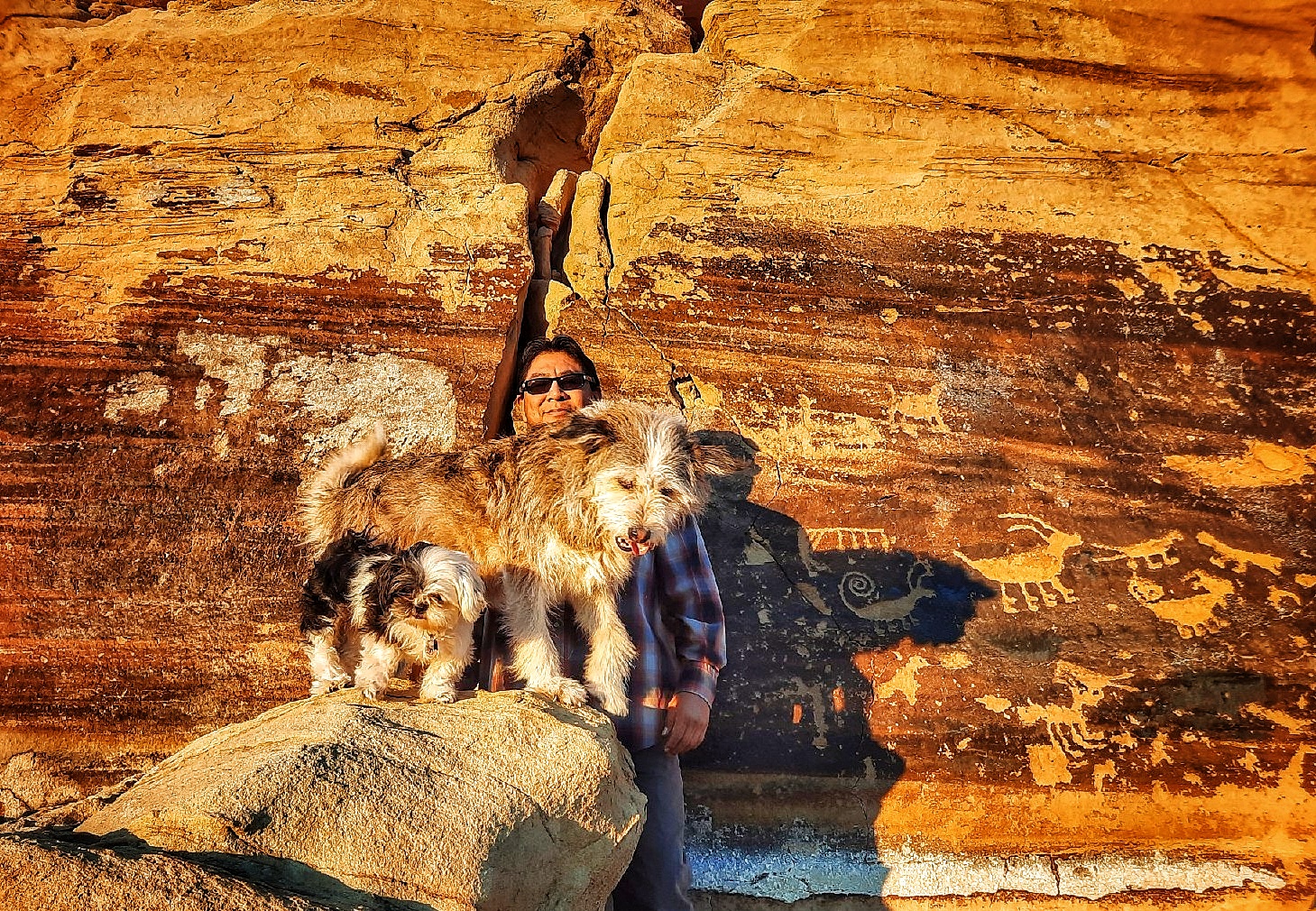
This relationship between Hopi and canine extends well back into ancestral times, and it is safe to say that dogs have been amongst Hopi since time immemorial, entering this world side-by-side with their human companions. As the ancestral Hopi clans traveled the landscape during their epic migrations, dogs were surely included in those journeys, perhaps even serving as pack-animals for lighter loads.
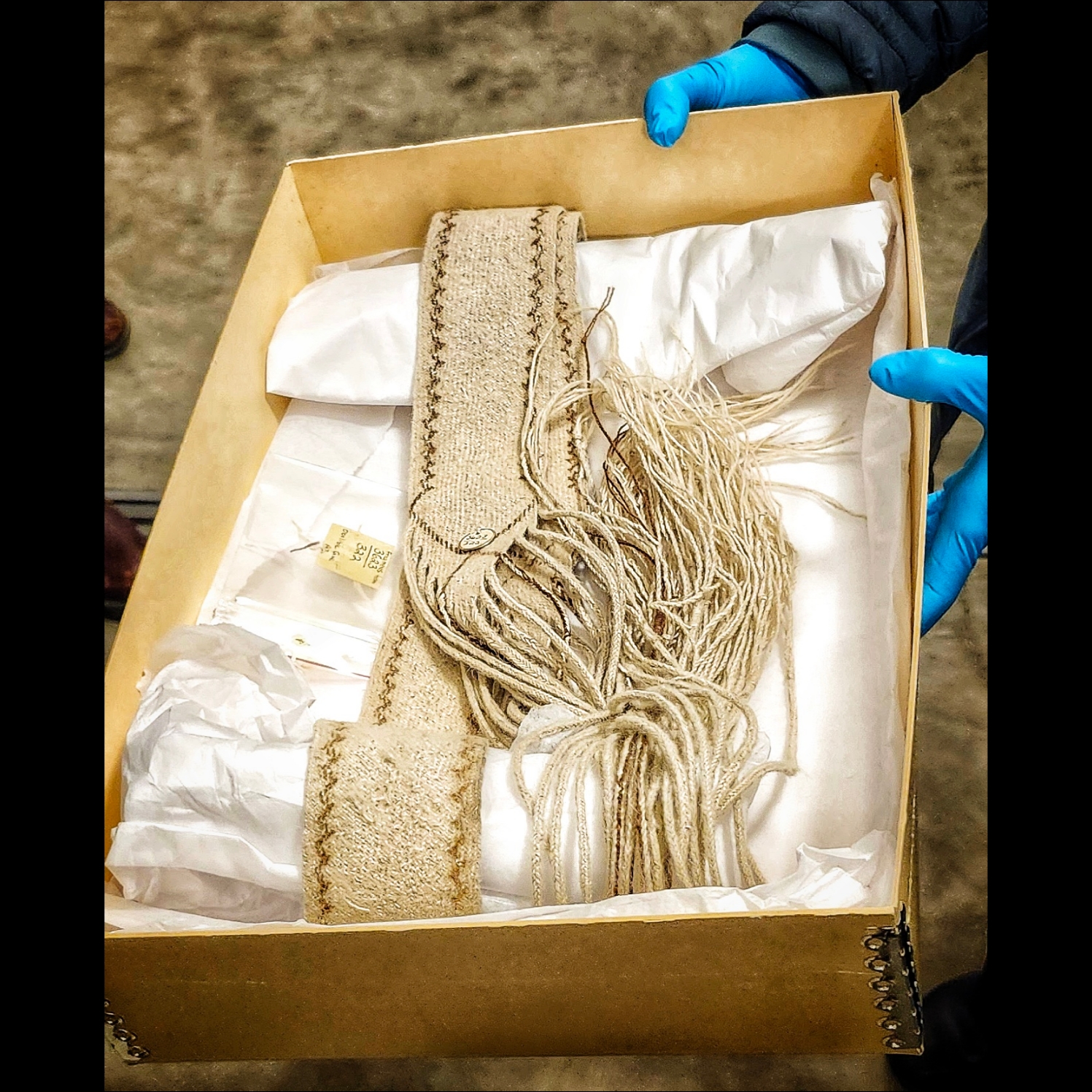
Ancestral Hopi depictions of canines (Poko) and other dog-like animals, such as coyotes (Iisaw), foxes (Taayo) and wolves (Kweewu) is found within the archaeological record, sometimes as petroglyphs depicting paw prints or the animal journeying along a path. There is also evidence that dogs were providing weaving material from their fur, with indications that long-haired dogs were specifically bred for this purpose.
Within Hopi oral tradition, there are stories relating the importance of dogs to the Hopi people. One account told to me by my paternal grandmother, tells the tale of a young boy who goes in search of a dog to help in his hunting expeditions. Seeking the assistance of Kokyung’soo’wuhti (Spider Grandmother), she informs him of a dog-village located far to the east. Thus, the boy sets off in search of the village, encountering various dangers along his journey. With the help of Spider Grandmother, he is able to overcome these obstacles, and eventually locates the “Village of the Dogs”.
Upon meeting the village chief, the boy states his intentions of coming to this place in the hopes of securing a hunting dog. After passing another series of tests presented to him, the boy proves his worth, and is invited to witness a kiva dance in which the dogs of the village will perform. The following evening, all manner of dogs are summoned and brought forth, and they descend down the kiva ladder one-by-one.
Small ones, large ones. Some with long fur, others with short fur. Some have floppy ears. Others have pointy ears that stick straight up. Some have black or white fur. Some are tan and yellow colored like the mesas of their homeland. A few have spots that resembles the speckled corn grown by the Hopi. Each of them is dressed in their finest regalia, wearing turquoise and shell necklaces, with brightly colored feathers tied to their tails and legs.
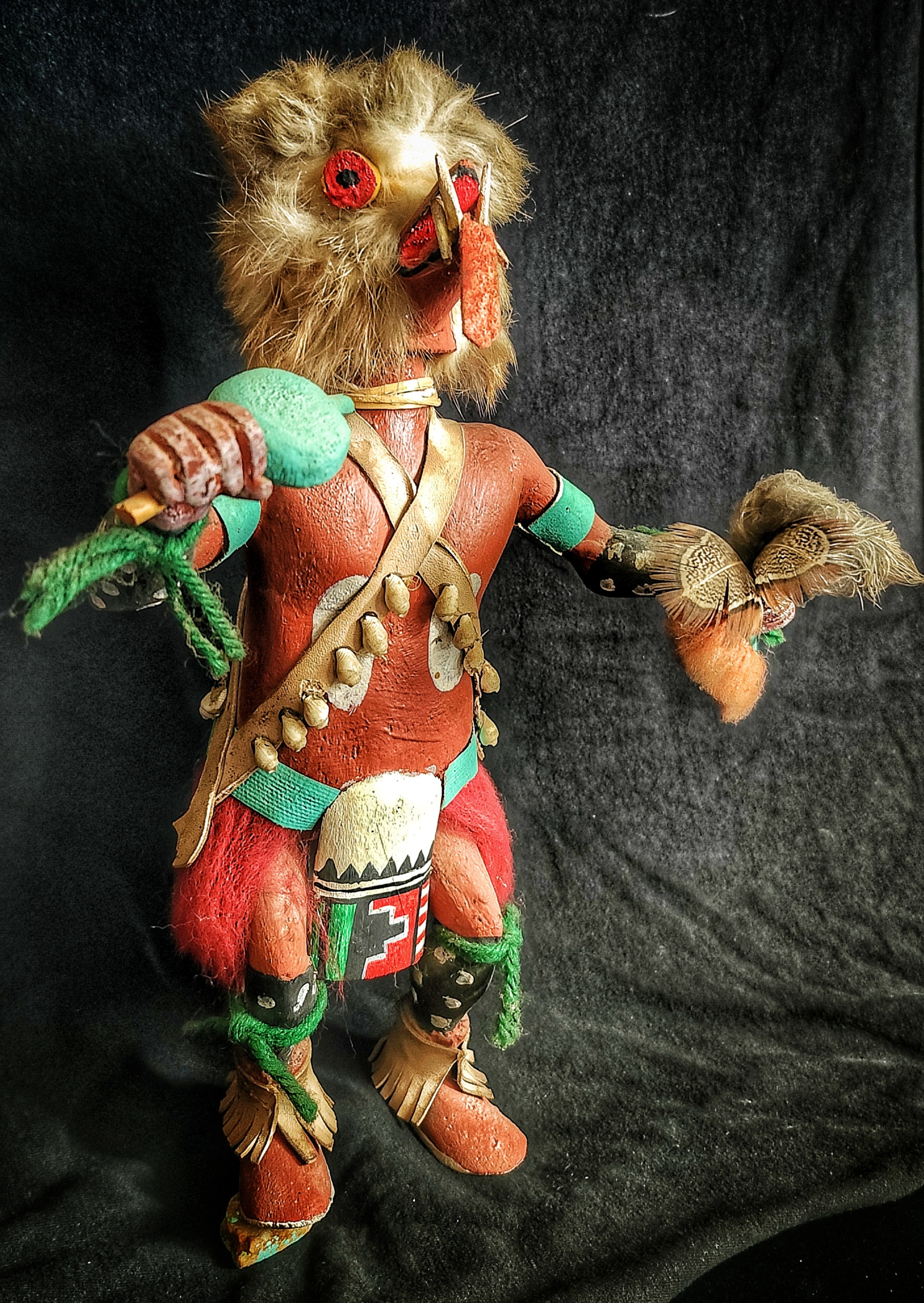
There is great commotion as the dogs all make their sound, standing proud and alert, with tails wagging. They then perform their song and dance for the boy, and he is instructed to pick from among them. Uncertain at which one he should choose, Spider Grandmother again comes to his aid and advises him to take the smallest one with spots, only a puppy at the time. Following her advice, he selects this dog, upon which the chief states he has chosen wisely, for this dog is fast and will be a great hunter. The chief instructs the boy to treat his dog well, and to never abuse or speak harshly to his new companion, to which the boy happily agrees. Satisfied, he returns back to his village with his dog, who he names “Spotted-in-Back”, where he grows and brings good luck to the boy and his village.
Dogs at Hopi are no longer used to hunt (as far as I know), but they still serve a purpose, as shepherds protecting the flock, and as guard dogs of the home and family. Their courage and usefulness does not go un-acknowledged. Following the winter solstice (the Hopi “New Year”), you may see dogs running around the village with prayer feathers tied to their collars, indicating well wishes for a long and healthy life. In this manner, dogs are still revered and cared for.
Upon their passing, their human owners may go so far as to provide them with a burial as they would for any family member. Interring them with food, water and their favorite chew toy, with the hopes of their spirit returning to the dog-village of long ago, where they are welcomed by departed furry friends and family. This type of reverence is not new.
There is another dog-tale related by a Hopi man, Jimmy Kewanwytewa, who told of an ancestral Parrot Clan man who was known to be carefully buried with his parrots and 2 dogs in a room at the Hopi village of Wupatki. This story was passed down through generations of Hopi descendants, and later verified though archaeological excavations. Other instances of formal dog burials are known from throughout the Southwest. The documented case of “White Dog Cave” in the Black Mesa region of Hopi-land, where 2 long-haired dogs were formally buried during Basketmaker II times, is evidence of the long association with ancestral Hopi clans.
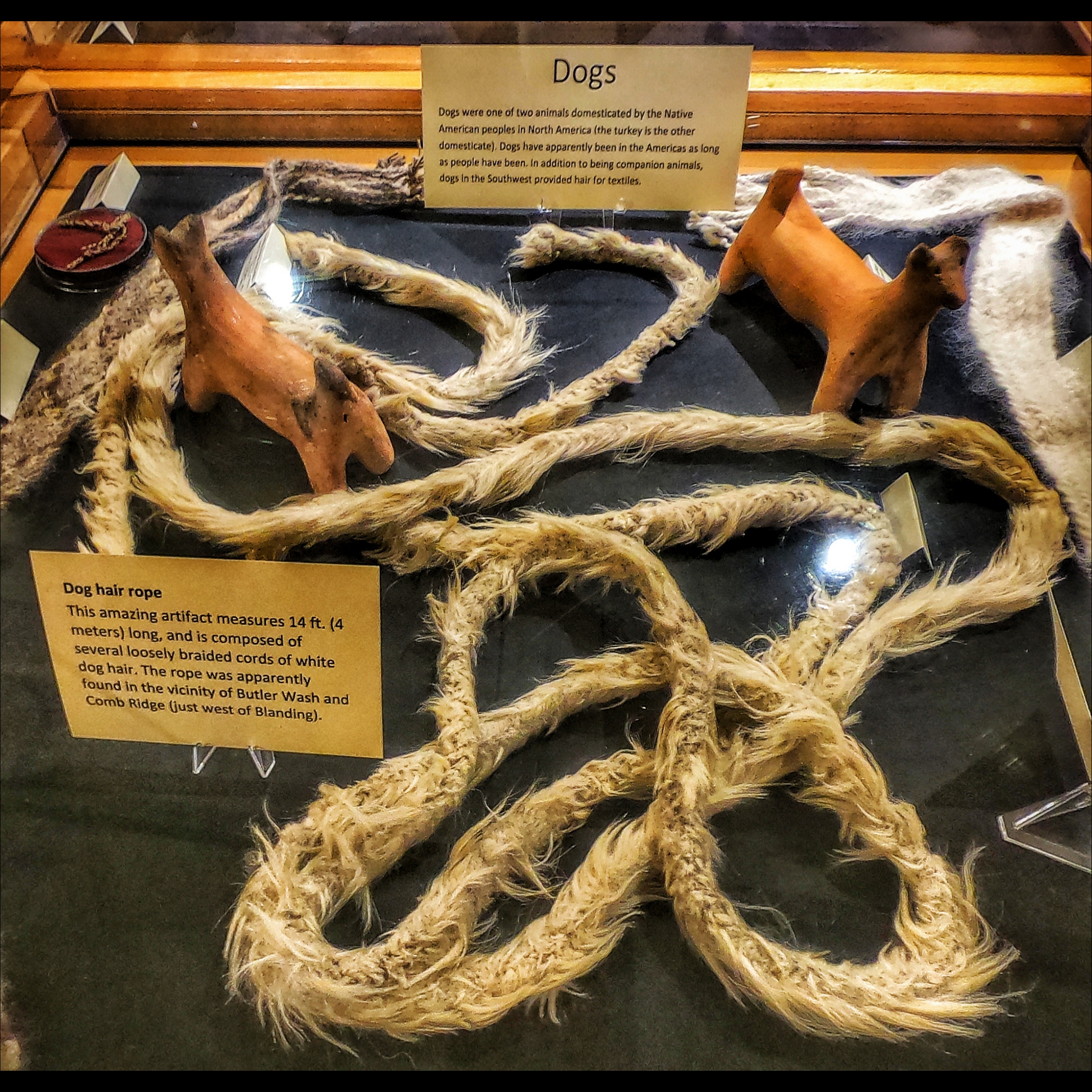
Today it is not uncommon for Hopi dogs to understand instructions spoken in the Hopi language and be given Hopi names; “Sewa – Little Girl”, “Meehee – Night” referring to dark colored fur, “Huk’pa – Who Are You?” referring to a stray that suddenly appears and is taken in, and “Homol’ovi”, referring to the ancestral villages located near present-day Winslow, Arizona where the dog was found.
The dogs of Hopi are now widely varied, with many different breeds introduced into the gene pool, and we are fortunate to continue to have their unconditional love and companionship. It would do us well to always remember the words of the dog-village chief, and treat them with the same affection and respect they give to us. And perhaps on the day each of us passes into the spirit world, we will find our best friend, or possibly many of them, patiently waiting with tails wagging, and eager to walk with us side-by-side, onto new paths.
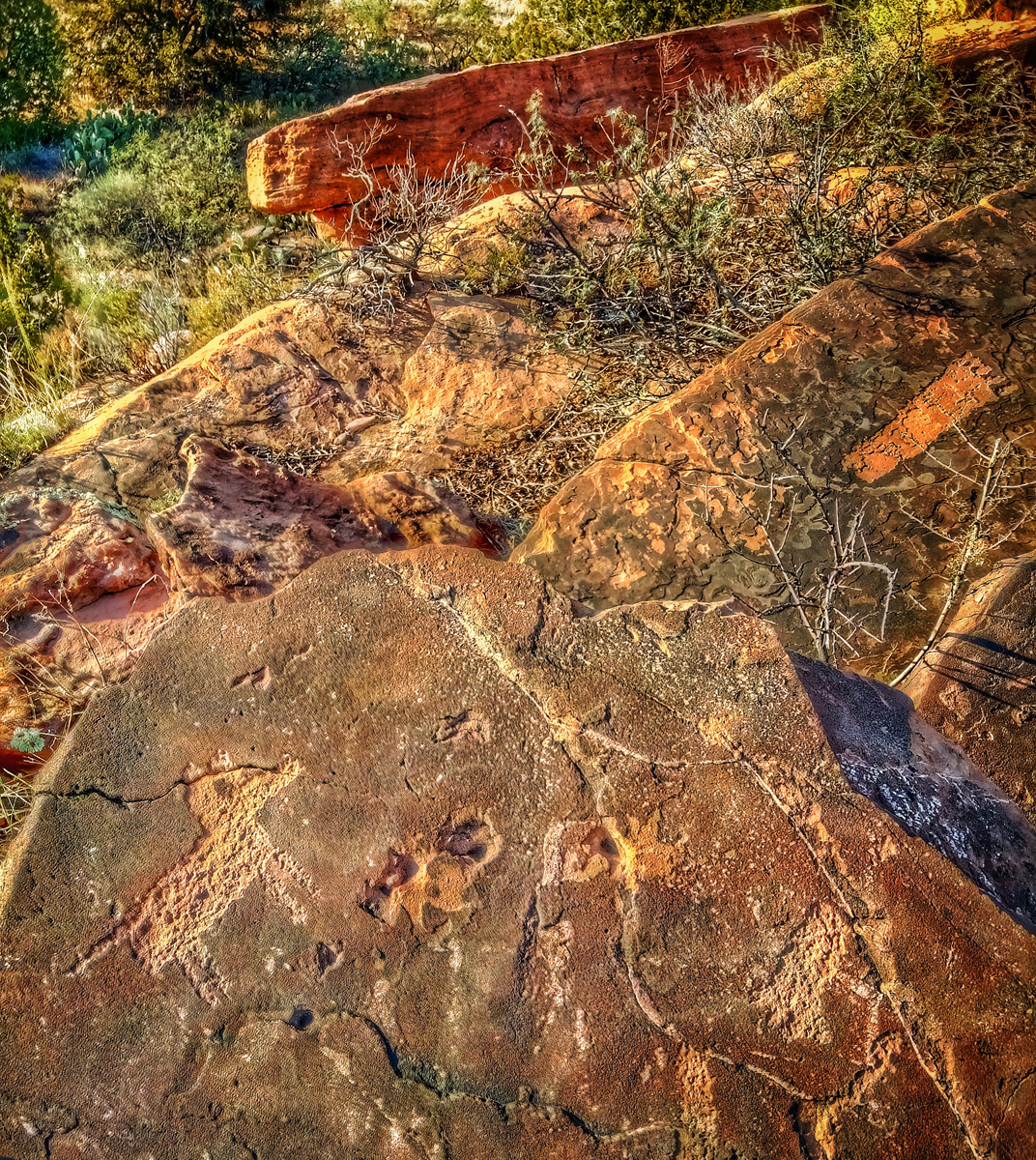
Sakwas’kyasvi – Turquoise Valley (Verde Valley, AZ).
 PAA'TUUWI
I especially appreciated, “Their courage and usefulness does not go un-acknowledged. Following the winter solstice (the Hopi “New Year”), you may see dogs running around the village with prayer feathers tied to their collars…”
Thanks so much for all you do and say, Lyle!
LikeLike
Lyle,
Thanks for the great article on dogs. Attached is a photo of our Gus.
LikeLike